Young Airport Solutions
Airports are evolving to meet increasing and changing demands from the flying public and global commerce. The largest group of airports in the nation are General Aviation (GA) airports. They typically support private, business and recreational flying without scheduled commercial service
GA Airports in the U.S. are without equal in the aviation and aerospace industry. They are highly valued as local and regional infrastructure assets and transportation links to the FAA National Airspace System. They are economic impact drivers which attract stable businesses, create jobs and support lifelong careers. Now, more than ever they face funding and capacity constraints, as well as rapid paced changes in workforce, technology and climate challenges. This while maintaining the first priorities of airport safety and security.
Business Plans help airports grow financially while managing such stiff challenges. They establish management direction and goals that are customized to each individual airport.
A closer examination shows that a GA Airport Business Plan can be key to identifying immediate strategies that address today's daily operations including: evolving customer service and aircraft maintenance needs; supply chain delays, worker shortages & training, cybersecurity, data analytics and AI; digital marketing and branding.
The GA Airport Business Plan addresses future operational challenges such as: the transforming light-sport aircraft market, integration of electric vertical takeoff and landing aircraft and sustainability imperatives of unleaded avgas adoption and carbon offsets.
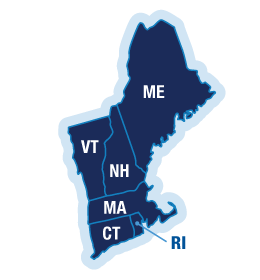
GA Airports in New England are unique for their blend of scenic, historic and sometimes coastal community atmospheres. Some are close to major cities and others provide access to rural or remote, picturesque towns as well as educational and recreational attractions. They serve as vital regional and economic hubs that allow pilots to avoid congested commercial airports.
The mission of Young Airport Solutions is to empower New England general aviation public-use airports to reach their objectives through actionable business plans.
General Aviation Airport Business Plan Consulting
Vision: Imagine a future when all General Aviation (GA) Airports in New England are experiencing prosperity and growth.